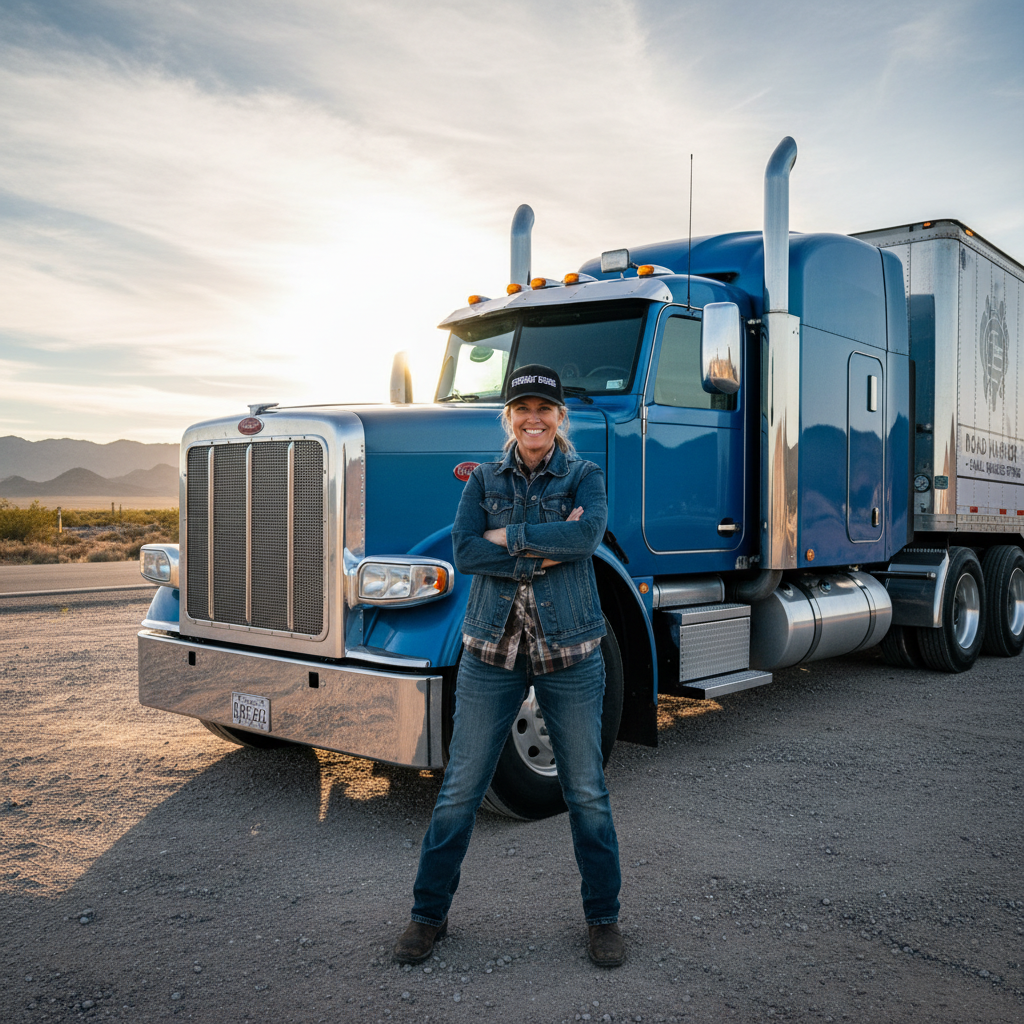
Commercial Truck Financing for Small Businesses
A comprehensive guide to help small business owners navigate commercial truck financing options, from SBA loans to equipment financing and fleet solutions.
Ready to Finance Your Commercial Truck?
Compare rates from multiple lenders specializing in small business truck financing.
Get Your Free QuoteFor small businesses that depend on transportation, acquiring commercial trucks is often one of the most significant investments you will make. Whether you are starting a delivery service, expanding a construction company, or launching a freight operation, understanding your financing options is essential to making smart financial decisions that support long-term growth.
Commercial truck financing for small businesses comes with unique considerations compared to personal vehicle loans. Lenders evaluate your business differently, offer specialized loan products, and provide opportunities for tax advantages that can significantly impact your bottom line.
Understanding Business Requirements for Commercial Truck Financing
Before applying for commercial truck financing, small business owners need to understand what lenders typically require. Meeting these requirements upfront can streamline your application process and improve your chances of approval with favorable terms.
Time in Business
Most lenders prefer businesses with at least two years of operating history. This track record demonstrates stability and provides financial data for lenders to assess. However, newer businesses are not automatically excluded. Startups may qualify through alternative lenders, SBA programs, or by providing additional collateral and larger down payments.
Business Credit Profile
Your business credit score plays a crucial role in commercial truck financing. Lenders typically look for:
- Business credit scores from Dun and Bradstreet, Experian Business, or Equifax Business
- Payment history with vendors and suppliers
- Outstanding business debts and credit utilization
- Any liens, judgments, or bankruptcies on record
Building strong business credit before applying can result in better interest rates and terms. If your business credit is limited, lenders may rely more heavily on your personal credit score.
Financial Documentation
Prepare to provide comprehensive financial documentation, including:
- Two to three years of business tax returns
- Year-to-date profit and loss statements
- Business bank statements from the past three to six months
- Balance sheet showing assets and liabilities
- Accounts receivable and payable aging reports
SBA Loans for Truck Financing
The Small Business Administration offers some of the most attractive financing options for small businesses purchasing commercial trucks. SBA loans are partially guaranteed by the government, which reduces risk for lenders and typically results in lower interest rates and better terms for borrowers.
SBA 7(a) Loans
The SBA 7(a) program is the most popular option for small business truck financing. Key features include:
- Loan amounts up to $5 million
- Terms up to 10 years for equipment like trucks
- Competitive interest rates tied to prime rate
- Lower down payment requirements, often 10 to 20 percent
- Can be used for new or used trucks
The application process for SBA loans is more extensive than conventional financing, but the favorable terms often make the extra effort worthwhile, especially for larger purchases or fleet acquisitions.
SBA Express Loans
For faster access to funds, SBA Express loans offer a streamlined application with decisions in as little as 36 hours. While loan amounts max out at $500,000, this option works well for single truck purchases when time is a factor.
Explore Your Financing Options
Get matched with lenders offering SBA loans and commercial truck financing for small businesses.
Compare Rates NowEquipment Financing for Commercial Trucks
Equipment financing is specifically designed for purchasing business equipment, making it an excellent fit for commercial truck acquisitions. This financing type uses the truck itself as collateral, which can simplify the approval process.
How Equipment Financing Works
With equipment financing, the lender provides funds to purchase the truck, and you repay the loan over a fixed term with interest. The truck serves as collateral, meaning if you default, the lender can repossess the vehicle. This security often allows for:
- Higher approval rates, even for newer businesses
- Financing up to 100 percent of the truck value in some cases
- Fixed monthly payments for predictable budgeting
- Terms typically ranging from three to seven years
Equipment Financing vs. Traditional Business Loans
Unlike general business loans that might require additional collateral or have more restrictive covenants, equipment financing is purpose-built for asset acquisition. The streamlined focus on the equipment being purchased often results in faster approvals and more straightforward terms.
Fleet Financing Options
Small businesses looking to acquire multiple trucks have specialized fleet financing options that can provide economies of scale and simplified management.
Fleet Lines of Credit
A fleet line of credit provides flexible access to funds for ongoing vehicle acquisitions. Rather than applying for individual loans, you draw from your credit line as needed. Benefits include:
- Flexibility to purchase trucks as opportunities arise
- Single application for multiple vehicles over time
- Potentially lower costs compared to individual loans
- Simplified administrative management
Master Lease Agreements
For businesses that prefer leasing, master lease agreements establish terms for acquiring multiple vehicles under one umbrella agreement. This approach streamlines paperwork and can lock in favorable rates across your entire fleet.
Fleet Management Programs
Some lenders and manufacturers offer comprehensive fleet management programs that bundle financing with maintenance, insurance, and telematics services. While monthly costs may be higher, the simplified management and predictable expenses appeal to many small business owners.
Tax Benefits of Commercial Truck Financing
Understanding the tax implications of commercial truck financing can significantly impact your effective cost of ownership. Several provisions benefit small businesses that finance commercial vehicles.
Section 179 Deduction
The Section 179 deduction allows businesses to deduct the full purchase price of qualifying equipment, including commercial trucks, in the year of purchase rather than depreciating the cost over several years. For 2026, the deduction limit is over one million dollars, making it highly beneficial for truck purchases.
Key considerations for Section 179:
- The truck must be used for business purposes more than 50 percent of the time
- The deduction is limited to your business income for the year
- Both new and used trucks can qualify
- The truck must be purchased and placed in service during the tax year
Bonus Depreciation
In addition to Section 179, bonus depreciation allows businesses to deduct a significant percentage of the truck cost in the first year. This provision can be combined with Section 179 for maximum tax benefit, though the specifics change year to year based on current tax law.
Interest Deductions
Interest paid on commercial truck loans is generally tax-deductible as a business expense. This effectively reduces the true cost of financing when you factor in the tax savings.
Start Your Commercial Truck Financing Journey
Connect with lenders who specialize in small business truck financing and understand your unique needs.
Get Your Free Quote TodayTips for Small Businesses Seeking Truck Financing
Maximizing your chances of approval with favorable terms requires preparation and strategy. Consider these tips as you approach the financing process.
Strengthen Your Application
Before applying, take steps to present your business in the best possible light:
- Review and correct any errors on your business and personal credit reports
- Pay down existing debts to improve your debt-to-income ratio
- Organize financial documents so you can respond quickly to lender requests
- Prepare a brief business plan showing how the truck will generate revenue
Compare Multiple Offers
Do not settle for the first financing offer you receive. Different lenders have varying criteria and rate structures. By comparing multiple offers, you can identify the best combination of interest rate, term length, down payment requirements, and fees.
Consider Total Cost of Ownership
When evaluating financing options, look beyond the monthly payment. Calculate the total interest paid over the loan term, factor in fees, and consider how different down payment amounts affect your long-term costs. A slightly higher monthly payment with a shorter term might save thousands in interest.
Work with Specialized Lenders
Lenders who specialize in commercial truck financing often have more flexible criteria and better understand the trucking industry. They may offer more competitive rates for truck-specific financing compared to general business lenders.
Conclusion
Commercial truck financing for small businesses involves navigating various options, from SBA loans to equipment financing and fleet programs. By understanding the requirements, exploring available tax benefits, and comparing offers from multiple lenders, you can secure financing that supports your business growth while maintaining financial health.
Take time to prepare your application materials, strengthen your credit profile, and evaluate the total cost of different financing structures. With the right approach, you can acquire the commercial trucks your business needs on terms that make sense for your long-term success.