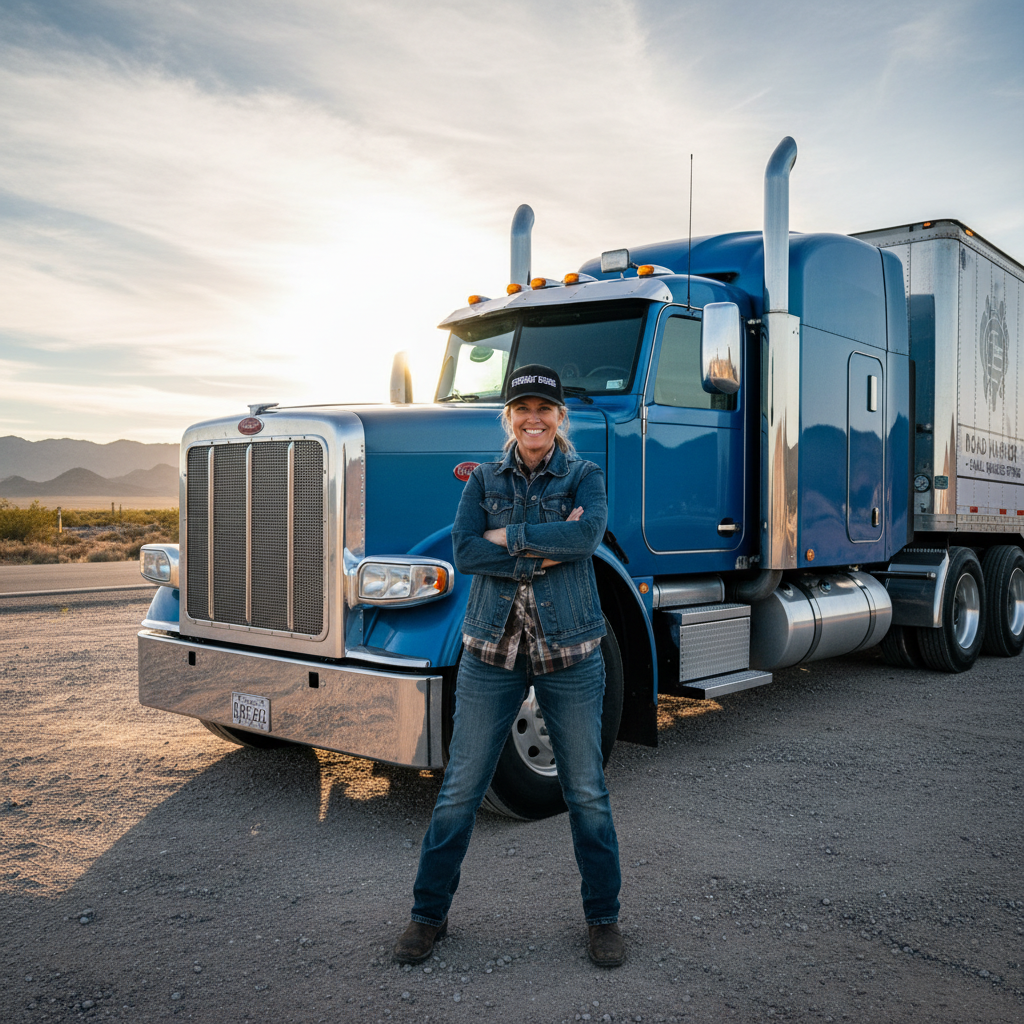
Becoming an owner-operator represents one of the most significant steps you can take in your trucking career. Owning your own truck gives you control over your schedule, the freight you haul, and ultimately your earning potential. But financing that first truck requires careful planning and preparation.
This comprehensive guide covers everything aspiring and current owner-operators need to know about truck financing, from choosing the right business structure to documenting your income and finding the best lenders for your situation.
Ready to Become an Owner-Operator?
Get pre-qualified for truck financing and see what you can afford.
Check Your OptionsTips for Financing Your First Truck
Financing your first truck as an owner-operator comes with unique challenges. Lenders view first-time buyers differently than established operators, so preparation is essential.
Know What You Can Afford
Before shopping for a truck or financing, calculate what monthly payment you can realistically afford. Consider all your expenses:
- Truck Payment: Your monthly financing payment
- Insurance: Commercial truck insurance, which can be $1,000-$2,000+ per month for new operators
- Fuel: Your largest variable expense, often $3,000-$6,000+ per month
- Maintenance: Budget for regular maintenance and unexpected repairs
- Operating Authority: MC number and related fees if operating independently
- Permits and Fees: IFTA, 2290 tax, registrations, and tolls
- Personal Expenses: Your living costs while on the road
A common rule of thumb is that your truck payment should not exceed 25-30% of your expected gross revenue. If you expect to gross $10,000 per month, aim for a truck payment under $2,500-$3,000.
Start with a Used Truck
For first-time owner-operators, starting with a used truck often makes more financial sense than buying new:
- Lower Purchase Price: Reduces your financial risk as you learn the business
- Easier Financing Approval: Smaller loan amounts are easier to qualify for
- Lower Insurance Costs: Insurance premiums are lower on older, less valuable trucks
- Learn Before Upgrading: Gain experience before investing in a more expensive truck
Look for trucks that are 3-5 years old with 300,000-500,000 miles. These trucks still have significant life remaining while offering substantial savings over new models.
Get Your Financial House in Order
Before applying for financing, take steps to strengthen your application:
- Check Your Credit: Know your score and dispute any errors
- Pay Down Debt: Reduce your debt-to-income ratio
- Build Savings: Save for a down payment and cash reserves
- Document Everything: Gather all financial records lenders will request
- Avoid New Credit: Do not open new accounts before applying
Choosing the Right Business Structure
How you structure your trucking business affects your financing options, tax liability, and personal liability protection. Consider these options carefully before applying for financing.
Sole Proprietorship
The simplest business structure, where you and the business are legally the same entity:
- Pros: Easy to set up, minimal paperwork, simple tax filing
- Cons: No personal liability protection, harder to build business credit
- Financing Impact: Lenders will rely entirely on your personal credit
Limited Liability Company (LLC)
A popular choice that provides liability protection while maintaining simplicity:
- Pros: Personal assets protected from business liabilities, flexibility in tax treatment, professional appearance
- Cons: More paperwork, state filing fees, ongoing compliance requirements
- Financing Impact: Can begin building business credit, though new LLCs still rely heavily on personal credit
S Corporation
Provides liability protection with potential tax advantages for higher earners:
- Pros: Potential payroll tax savings, liability protection, professional credibility
- Cons: More complex tax filing, payroll requirements, higher administrative costs
- Financing Impact: Similar to LLC for new businesses
Most owner-operators start as sole proprietors or LLCs. Consult with a tax professional or attorney to determine the best structure for your situation.
Compare Owner-Operator Financing Options
Get quotes from lenders who specialize in financing first-time owner-operators.
Get Your Free QuoteIncome Documentation Requirements
Documenting your income is one of the most challenging aspects of owner-operator financing, especially if you are transitioning from being a company driver. Lenders need to verify that you can afford the payments.
For Company Drivers Becoming Owner-Operators
If you are currently a company driver planning to become an owner-operator, you can document your earning potential by providing:
- Recent Pay Stubs: Shows your current earning capacity as a driver
- W-2 Forms: Tax documents from the past 2-3 years
- Employment Verification: Letter from your employer confirming position and tenure
- Contract or Letter of Intent: If you have a carrier contract lined up, this demonstrates expected income
For Existing Owner-Operators
If you already have owner-operator experience, lenders will want to see:
- Tax Returns: Personal and business returns for the past 2-3 years
- Profit and Loss Statements: Monthly or quarterly P&L showing revenue and expenses
- Bank Statements: 3-6 months of business and personal bank statements
- 1099 Forms: If you work as an independent contractor
- Contracts: Current contracts with carriers or brokers
Tips for Strong Income Documentation
- Keep Detailed Records: Track all income and expenses meticulously
- Use Accounting Software: QuickBooks or similar software creates professional reports
- Separate Business and Personal: Maintain separate bank accounts
- Document Contracts: Keep copies of all carrier agreements and rate confirmations
- Be Prepared to Explain: Lenders may ask about income fluctuations
Insurance Requirements for Owner-Operators
Insurance is a critical component of owner-operator financing. Lenders require specific coverage to protect their collateral, and operating legally requires additional insurance beyond what lenders mandate.
Lender-Required Insurance
At minimum, lenders typically require:
- Comprehensive Coverage: Protects against theft, vandalism, weather damage
- Collision Coverage: Covers damage from accidents regardless of fault
- The lender listed as lienholder: The lender must be named on the policy
Operating Authority Insurance
If you plan to operate under your own authority (MC number), you need:
- Primary Liability Insurance: $750,000-$1,000,000 minimum for general freight
- Cargo Insurance: Typically $100,000 minimum coverage
- Hazmat Endorsement: $5,000,000 if hauling hazardous materials
Additional Coverage to Consider
- Bobtail Insurance: Coverage when driving without a trailer
- Non-Trucking Liability: Coverage when using the truck for personal purposes
- Physical Damage: Beyond minimum lender requirements
- Occupational Accident Insurance: Worker's compensation alternative for owner-operators
- Downtime Coverage: Helps cover expenses if your truck is out of service
Reducing Insurance Costs
Insurance is one of the largest expenses for new owner-operators. To reduce costs:
- Build Experience: Rates decrease with years of experience and clean records
- Choose Equipment Wisely: Some trucks cost less to insure than others
- Consider Higher Deductibles: Higher deductibles mean lower premiums
- Work Under a Carrier: Leasing to a carrier often provides lower insurance rates
- Complete Safety Training: Some insurers offer discounts for safety courses
Lenders That Work with Owner-Operators
Not all lenders are equally willing to work with owner-operators, especially first-time buyers. Knowing which lenders specialize in this market helps you focus your efforts.
Equipment Financing Companies
These specialized lenders understand the trucking industry and often have programs specifically for owner-operators:
- Understand the realities of trucking income
- May work with first-time buyers and newer CDL holders
- Offer various loan structures to fit different situations
- Typically faster approval times than traditional banks
Truck Dealership Financing
Many truck dealerships offer financing or work with lender networks that include owner-operator programs:
- Convenience of one-stop shopping
- May offer special programs for specific truck brands
- Sales staff familiar with financing challenges
- Some offer in-house financing with flexible criteria
Credit Unions
Credit unions that serve truckers or have commercial lending programs can be good options:
- Often more flexible than large banks
- May consider relationship factors beyond just credit scores
- Competitive rates for qualified members
- Personal service and industry knowledge
Lease-to-Own Programs
For those who have difficulty qualifying for traditional financing, lease-to-own programs offer an alternative path:
- Often more flexible credit requirements
- Lower upfront costs in some cases
- Opportunity to test equipment before committing
- Can build equity toward eventual ownership
Start Your Owner-Operator Journey Today
Get matched with lenders offering competitive rates for owner-operators.
Apply Now - It's FreeBuilding Your Owner-Operator Business
Financing the truck is just the beginning. Building a successful owner-operator business requires attention to several key areas.
Finding Freight
Consistent, well-paying freight is the foundation of owner-operator success. Options include:
- Leasing to a Carrier: Provides steady freight but less control
- Load Boards: Spot market freight through platforms like DAT or Truckstop
- Direct Customers: Building relationships with shippers
- Freight Brokers: Working with brokers to access a variety of loads
Managing Cash Flow
Cash flow management is critical for owner-operators. Tips for success:
- Invoice Promptly: Submit invoices immediately upon delivery
- Consider Factoring: Sell invoices for immediate cash, though at a fee
- Maintain Reserves: Keep 2-3 months of expenses in savings
- Track Expenses: Know exactly where every dollar goes
- Plan for Taxes: Set aside money for quarterly tax payments
Maintenance and Repairs
Keeping your truck running is essential for earning income. Develop a maintenance strategy:
- Preventive Maintenance: Follow manufacturer schedules religiously
- Pre-Trip Inspections: Catch problems before they become breakdowns
- Build Repair Relationships: Find reliable mechanics along your regular routes
- Emergency Fund: Have money set aside for unexpected repairs
- Consider Extended Warranties: For major components if buying used
Common Mistakes to Avoid
Learn from the mistakes of others to increase your chances of success:
- Buying Too Much Truck: Do not stretch your budget for a dream truck before you can afford it
- Underestimating Expenses: Account for all costs, not just the truck payment
- Ignoring Insurance Costs: Insurance can be a budget-breaker for new operators
- Not Having Cash Reserves: One breakdown should not end your business
- Skipping Pre-Purchase Inspection: Always inspect used trucks before buying
- Rushing the Decision: Take time to find the right truck and financing
- Not Understanding Contracts: Read every document before signing
Conclusion
Becoming an owner-operator is a significant step that requires careful planning and preparation. By understanding the financing process, choosing the right business structure, documenting your income properly, and securing appropriate insurance, you set yourself up for success.
Start by getting your finances in order, then explore financing options from lenders who understand the owner-operator business. Remember that your first truck does not have to be your last - many successful owner-operators started with modest equipment and upgraded as their business grew.
The path to owner-operator success is challenging but rewarding. With the right preparation and financing partner, you can join the ranks of independent truckers who have built successful careers on their own terms.