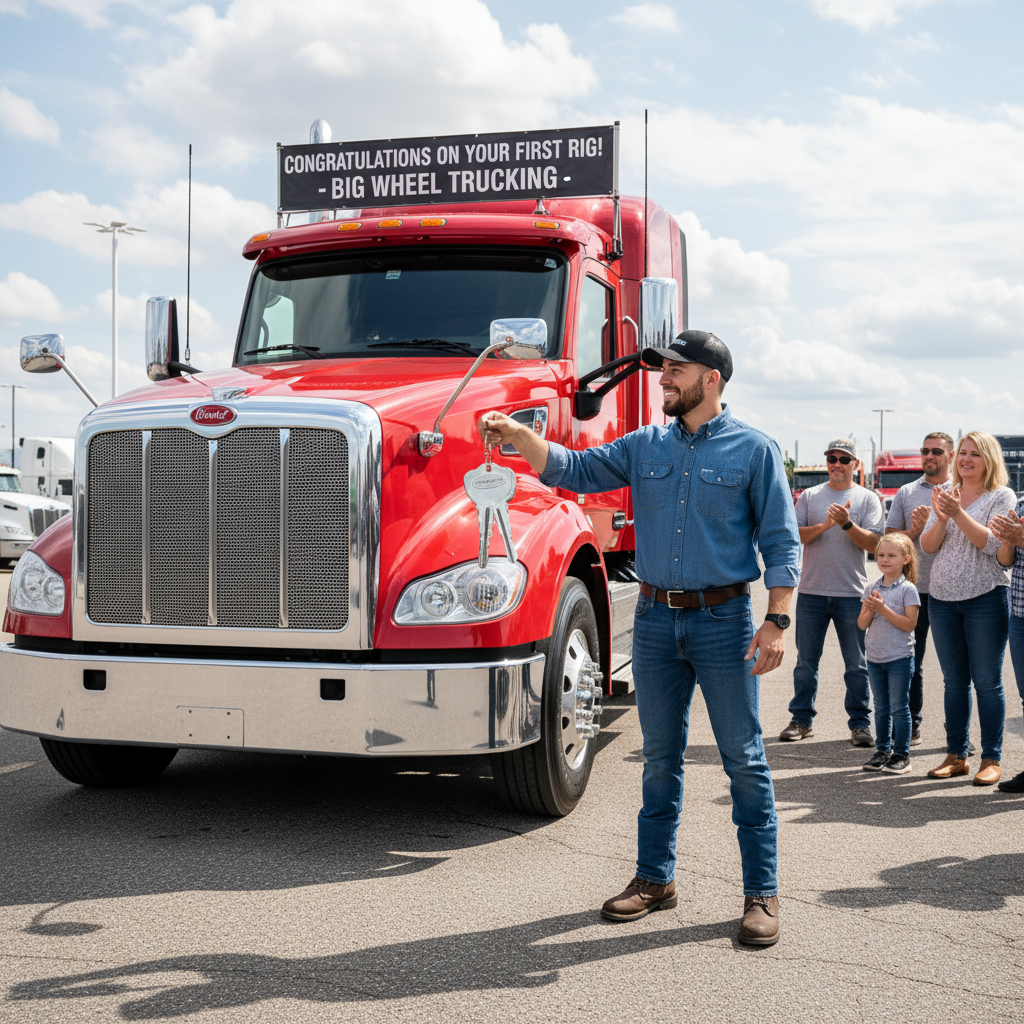
Best Down Payment Strategies for Truck Financing
Your down payment significantly impacts your financing terms, monthly payments, and total cost. Learn how to optimize this crucial decision.
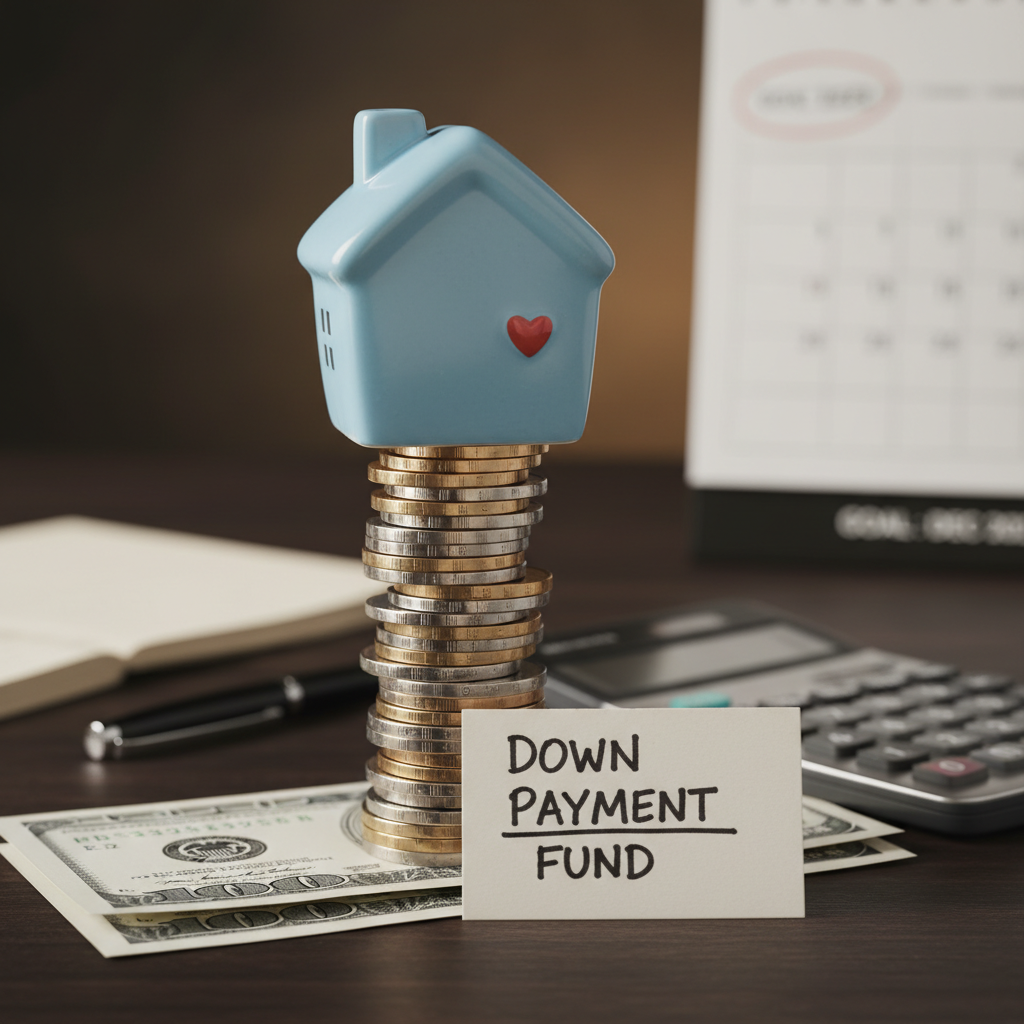
See How Down Payment Affects Your Rate
Get personalized quotes to see how different down payment amounts impact your financing terms.
Get Your Free QuoteWhen financing a truck, your down payment is one of the most important decisions you will make. It affects your monthly payment, the interest rate you qualify for, your total borrowing cost, and even whether you get approved. Understanding how to approach your down payment strategically can save you thousands of dollars over the life of your loan.
This guide explores optimal down payment amounts, effective saving strategies, how to leverage trade-ins, when zero-down options make sense, and the direct impact of your down payment on financing rates and terms.
Optimal Down Payment Amounts
The right down payment amount depends on your financial situation, credit profile, and the truck you are purchasing. However, understanding common benchmarks helps you set realistic targets.
The 10 to 20 Percent Standard
Most truck financing experts recommend putting down between 10 and 20 percent of the truck's purchase price. For a $150,000 semi-truck, this means $15,000 to $30,000 down. This range typically provides:
- Access to competitive interest rates
- Manageable loan-to-value ratios
- Lower monthly payments compared to minimal down payments
- Protection against being upside-down on the loan
Minimum Requirements by Lender Type
Different lenders have varying minimum down payment requirements:
- Traditional banks: Typically require 15 to 20 percent down
- Credit unions: Often accept 10 to 15 percent down
- Online lenders: May accept 10 percent or less
- Dealership financing: Varies widely, sometimes zero down available
- Captive finance companies: Often more flexible, especially for new trucks
When to Put More Down
Consider making a larger down payment of 25 percent or more when:
- Your credit score is below 650
- You are a first-time truck buyer without financing history
- You want to minimize monthly cash outflow
- You are purchasing a used truck that may depreciate quickly
- You have the cash available without straining emergency reserves
Effective Saving Strategies
Building your down payment fund requires disciplined saving. Here are proven strategies to accumulate funds faster.
Set a Clear Target and Timeline
Start by determining your target down payment amount and when you need it. If you want $20,000 down in 12 months, you need to save approximately $1,667 per month. Having concrete numbers makes the goal tangible and trackable.
Create a Dedicated Savings Account
Open a separate savings account specifically for your truck down payment. This separation prevents accidental spending and makes tracking progress easier. Consider high-yield savings accounts that earn interest while you accumulate funds.
Automate Your Savings
Set up automatic transfers from your checking account to your down payment savings. Treating savings like a required expense ensures consistent contributions. Align transfers with your pay schedule for maximum effectiveness.
Reduce Expenses Temporarily
Identify areas where you can cut spending during your saving period:
- Reduce discretionary spending on entertainment and dining
- Negotiate lower rates on insurance, phone, and other recurring bills
- Delay non-essential purchases until after you secure your truck
- Consider taking on additional work during the saving period
Ready to Explore Your Options?
Compare financing offers from multiple lenders to find the best rates for your down payment amount.
Compare Rates NowUsing Trade-Ins as Down Payment
If you currently own a truck, using it as a trade-in can provide significant down payment value without depleting your cash reserves.
Determining Your Trade-In Value
Get multiple valuations before negotiating:
- Check online valuation tools for commercial trucks
- Get quotes from multiple dealers
- Consider wholesale versus retail value differences
- Factor in your truck's condition, mileage, and maintenance history
Maximizing Trade-In Value
Before trading in your truck, take steps to maximize its value:
- Address minor repairs and maintenance items
- Clean the truck thoroughly inside and out
- Gather maintenance records to demonstrate proper care
- Consider timing your trade when demand is higher
Trade-In Versus Private Sale
While trading in is convenient, selling privately often yields more money. Consider private sale if:
- You have time to manage the sale process
- The difference between trade-in and private sale value is significant
- You can handle the truck without a replacement during the sale period
Zero-Down Options
Some lenders offer zero-down truck financing. Understanding when this makes sense and the tradeoffs involved helps you make an informed decision.
When Zero Down May Make Sense
Zero-down financing might be appropriate when:
- You have excellent credit and qualify for competitive rates regardless
- You need to preserve cash for business operations or emergencies
- The opportunity cost of tying up capital is high
- You are purchasing a new truck with strong residual value
The Hidden Costs of Zero Down
Zero-down financing typically comes with tradeoffs:
- Higher interest rates: Lenders charge more to offset increased risk
- Higher monthly payments: The entire purchase price is financed
- More total interest: You pay interest on a larger principal amount
- Negative equity risk: You may owe more than the truck is worth
- Stricter requirements: Lenders may require better credit or more documentation
Comparing Zero Down Versus 20 Percent Down
For a $120,000 truck financed over 60 months at typical rates:
| Factor | Zero Down (8%) | 20% Down (6.5%) |
|---|---|---|
| Loan Amount | $120,000 | $96,000 |
| Monthly Payment | $2,433 | $1,876 |
| Total Interest | $25,980 | $16,560 |
| Total Cost | $145,980 | $136,560 |
The 20 percent down payment saves $557 per month and $9,420 over the loan term, not including the $24,000 down payment itself.
How Down Payments Affect Interest Rates
Your down payment directly influences the interest rate lenders offer. Understanding this relationship helps you optimize your financing strategy.
Loan-to-Value Ratio
Lenders assess risk partly based on loan-to-value (LTV) ratio, calculated by dividing the loan amount by the truck's value. Lower LTV ratios from larger down payments signal lower risk, often resulting in better rates.
- 80% LTV (20% down): Typically qualifies for best rates
- 90% LTV (10% down): May increase rate by 0.25 to 0.5 percent
- 100% LTV (zero down): Often adds 0.5 to 1.5 percent to the rate
Rate Reductions from Larger Down Payments
Many lenders offer rate incentives for substantial down payments. Putting 25 to 30 percent down might reduce your rate by 0.5 percent or more compared to a 10 percent down payment. Over a multi-year loan, this difference adds up substantially.
Improving Approval Odds
For borrowers with credit challenges, larger down payments can make the difference between approval and denial. Lenders are more willing to approve applicants who demonstrate commitment through substantial down payments, even when other qualification factors are marginal.
Find Your Optimal Down Payment Strategy
Get personalized quotes to see exactly how different down payment amounts affect your terms and rates.
Get Your Free Quote TodayBalancing Down Payment with Cash Reserves
While larger down payments offer benefits, depleting your cash reserves creates risk. Finding the right balance is crucial for long-term financial health.
Maintain Emergency Reserves
Before committing funds to a down payment, ensure you maintain adequate emergency reserves. Most financial experts recommend keeping three to six months of operating expenses accessible. For trucking businesses, this buffer protects against unexpected repairs, slow periods, or other disruptions.
Consider Opportunity Costs
Money used for a down payment cannot be invested elsewhere in your business. Evaluate whether those funds might generate better returns if invested in equipment, marketing, or other growth opportunities. Sometimes a smaller down payment with higher financing costs makes strategic sense.
Plan for Additional Costs
Remember that the down payment is not your only upfront cost. Budget for:
- Sales tax on the purchase
- Registration and licensing fees
- Insurance premiums
- Initial maintenance and any needed modifications
Conclusion
Your down payment strategy significantly impacts the success of your truck financing. Aim for 10 to 20 percent as a baseline, but adjust based on your credit profile, available cash, and financing goals. Consider trade-ins to supplement cash savings, approach zero-down options cautiously, and remember that larger down payments typically unlock better rates and terms.
Most importantly, balance your down payment against maintaining healthy cash reserves. The goal is financing that supports your business success, not one that creates financial strain from the start.